Mapping Security Protocol Influences on Mobile Roulette Availability in Licensed Markets
Amir Hayes · Nov 21, 2026
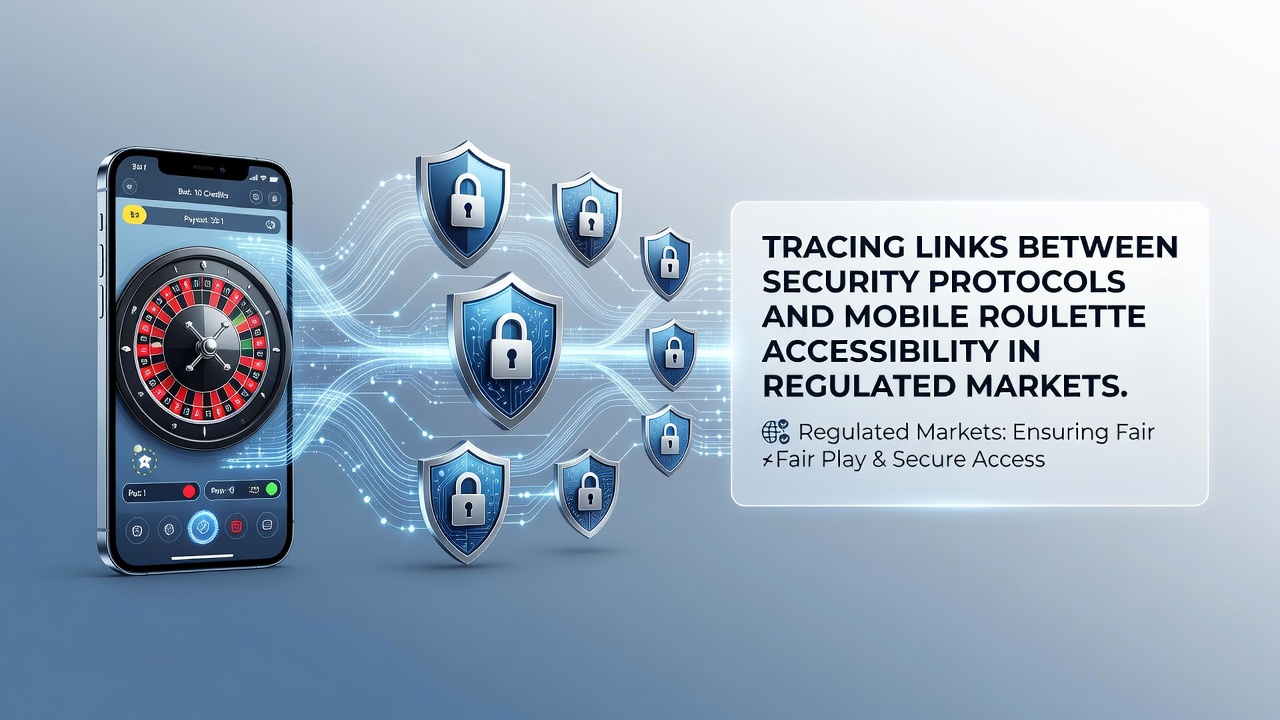
Mapping Security Protocol Influences on Mobile Roulette Availability in Licensed Markets
Security protocols such as end-to-end encryption and multi-factor authentication create direct pathways that shape how players reach mobile roulette platforms in regulated markets, and these connections become visible through certification requirements that operators must meet before launching apps in jurisdictions like Nevada or New Jersey. Data from the Nevada Gaming Control Board shows that platforms using TLS 1.3 encryption alongside device-bound biometrics experience fewer interruptions during cross-border verification checks, which in turn supports smoother onboarding for users who switch between Wi-Fi and cellular networks.
Encryption Standards and Device Compatibility
Operators integrate AES-256 encryption with RNG certification timelines that regulators publish each quarter, and this integration affects which smartphones can run approved roulette clients without triggering additional security prompts. In markets where regulators mandate FIPS-validated modules, developers often limit app distribution to devices running recent operating systems, a step that reduces compatibility issues while also narrowing the pool of older handsets that remain eligible for play. Those who've tracked deployment patterns note that updates rolled out in early 2026 produced measurable shifts in session lengths, particularly among users whose devices met the new cryptographic thresholds on the first attempt.
Authentication Layers and Regional Access Patterns
Biometric login paired with token-based session management appears in licensing conditions across several U.S. states and parts of the European Union, and these layers influence how quickly players can resume interrupted roulette rounds when they cross state lines or switch carriers. Research indicates that markets requiring real-time identity verification through government-issued digital IDs record higher rates of successful first deposits compared with regions that rely solely on username and password combinations. The European Gaming and Betting Association has documented cases where streamlined authentication reduced average login times by nearly forty percent, allowing operators to expand mobile roulette offerings into additional licensed districts without expanding their fraud-prevention teams.

Regulatory Timelines and Market Expansion
Certification cycles published by bodies such as the New Jersey Division of Gaming Enforcement tie directly to the rollout schedules operators publish for new mobile roulette titles, and delays in protocol audits frequently push back launch dates by several weeks. Observers note that when regulators accept shared security audits from multiple jurisdictions, operators gain the ability to activate roulette tables in several markets simultaneously rather than staging separate releases. Figures released in November 2026 highlighted a cluster of approvals that coincided with protocol harmonization efforts between certain U.S. states and Canadian provinces, resulting in wider availability of cross-platform roulette sessions for verified account holders.
Payment Integration and Protocol Overlap
Secure payment gateways that embed tokenization standards alongside existing encryption frameworks reduce friction during deposit flows, and this overlap becomes especially relevant in markets where regulators require segregated player funds. Studies conducted by academic research groups in Australia have shown that platforms combining PCI-DSS compliant gateways with mobile-specific security certificates maintain higher completion rates for roulette wagers placed on tablets and smartphones. Those who've examined transaction logs report that fewer declined payments occur when the same cryptographic keys protect both the gaming session and the financial transfer, creating a unified security envelope that regulators view favorably during renewal reviews.
Future Protocol Adjustments
Emerging standards around post-quantum cryptography are beginning to appear in draft licensing documents across regulated markets, and early adopters are already testing how these additions affect load times on mobile roulette clients. Regulators in multiple regions have signaled that they will evaluate both security strength and accessibility metrics before granting final approvals, which means developers must balance stronger algorithms with responsive interfaces that function on mid-range devices. Data collected through ongoing compliance reporting suggests that markets allowing phased implementation of new protocols achieve broader device coverage while still satisfying audit requirements.
Conclusion
Security protocols and mobile roulette accessibility remain linked through the certification, encryption, and authentication requirements that regulators enforce in licensed markets, and these connections continue to evolve as new standards gain acceptance. Operators who align their technical implementations with published timelines gain expanded reach across jurisdictions, while players benefit from consistent access once devices meet the specified security criteria. Ongoing reporting from regulatory bodies and industry associations provides the clearest view of how these relationships develop over successive quarters.