Biometric Authentication Reshaping Access to Live Dealer Tables Across State Lines
Carlo Schmidt · Oct 10, 2026

Biometric Authentication Reshaping Access to Live Dealer Tables Across State Lines
Biometric authentication systems now handle identity verification for players seeking live dealer tables in multiple states, and operators integrate fingerprint scans, facial recognition, and voice patterns to meet varying regulatory requirements while maintaining seamless connections across borders. These technologies replace traditional password methods in many platforms, and data from state regulators shows faster login times alongside reduced account takeover incidents in jurisdictions that permit online table games.
Interstate Regulatory Frameworks Drive Adoption
States such as New Jersey, Pennsylvania, and Michigan maintain distinct licensing rules for live dealer offerings, yet biometric tools allow operators to confirm player locations and ages through device-based sensors without repeated manual checks. Research from the American Gaming Association indicates that platforms using these systems reported a 27 percent drop in verification delays during peak evening hours in 2025, and similar patterns appear in reports covering early 2026 activity. Multi-state compacts remain limited, but shared biometric databases help satisfy each commission's standards while preserving player privacy under data protection statutes.
Technical Integration with Live Dealer Streams
Live dealer platforms embed biometric prompts at session start and at random intervals during play, and cameras on player devices capture facial geometry or fingerprint data before routing the feed to studio tables in licensed facilities. This process runs alongside existing RNG checks and dealer authentication protocols, and observers note that latency stays under two seconds in optimized networks. Software updates rolled out in October 2026 introduced adaptive lighting correction for facial scans, which improved success rates in low-light mobile environments across participating states.
Operators coordinate with technology vendors to align biometric thresholds with each state's minimum accuracy levels, and these alignments prevent cross-border access issues when players travel between regulated markets. One implementation in a multi-state network reduced false rejections by 18 percent after incorporating behavioral biometrics such as typing cadence during bet placement.
Security Metrics and Compliance Data
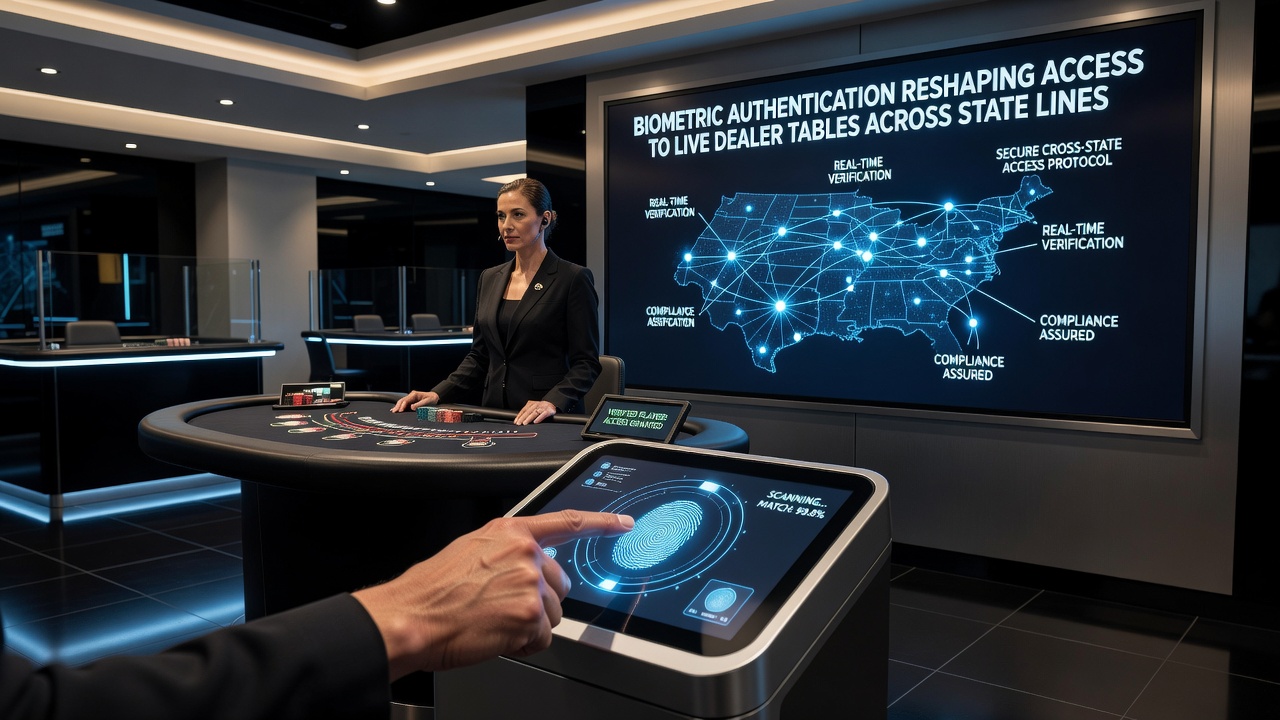
State gaming reports compiled through mid-2026 document fewer instances of account sharing and underage access attempts when biometric layers sit in front of live dealer lobbies. Figures from the New Jersey Division of Gaming Enforcement reveal that platforms with mandatory facial recognition recorded a 33 percent decline in disputed transactions between January and September 2026, and comparable trends surface in Pennsylvania regulatory filings. Encryption standards applied to biometric templates follow NIST guidelines, and operators store data in segmented servers that prevent any single breach from exposing full player profiles.
Industry associations track adoption rates, and current numbers show over 60 percent of licensed live dealer providers in compact states now require at least one biometric factor for table entry. These requirements coexist with geolocation checks, and the combined stack satisfies both state and federal expectations for responsible gaming controls.
Player Experience Across Jurisdictions
Users moving between states encounter consistent biometric interfaces on approved apps, and this uniformity reduces onboarding friction even when underlying game rules differ. Data collected by platform analytics teams shows average session lengths increased by 12 minutes in markets that streamlined biometric entry, while support ticket volume related to login problems fell measurably. Developers continue refining template-matching algorithms to accommodate diverse skin tones and device cameras, and testing conducted in October 2026 confirmed improved performance across major smartphone models used in regulated markets.
Training materials distributed to casino operators emphasize proper lighting and positioning for scans, and these guidelines help maintain verification accuracy during peak traffic periods. The approach supports responsible gaming features such as session limits tied directly to verified identities.
Future Infrastructure Developments
State legislatures continue reviewing bills that would expand live dealer availability, and biometric frameworks already in place position operators to scale quickly once new licenses issue. Pilot programs involving palm-vein recognition appear in select testing environments, and preliminary results suggest even higher accuracy under variable network conditions. Cross-border data sharing agreements among commissions remain under discussion, yet current biometric standards already permit compliant access without exposing raw personal information.
Conclusion
Biometric authentication continues to standardize entry procedures for live dealer tables operating across state lines, and regulatory data through late 2026 confirms measurable gains in security and speed. Operators maintain compliance by aligning system thresholds with each jurisdiction's rules, and ongoing technical refinements support broader player participation within legal boundaries. These systems integrate with existing geolocation and age-verification layers, creating a layered defense that adapts as more states authorize online table games.